IMPORTANT NEWS BRIEFING FOR BUSINESS
Abolition of VAT for business donations to charity comes into effect on April 6, 2026
Rules have changed so businesses can now donate to charities without worrying about VAT – why send surplus product to landfill when someone needs it and you no longer have to pay VAT to give it away?
Until now there has been a real anomaly in VAT rules around business donations to charity. Unless the goods were exempt or zero-rated, if a business wanted to give its surplus products to charity and that charity wasn’t going to sell the donated goods, the business would have to account for output VAT as if it had sold the goods.
If they sent them to landfill or incineration – no VAT. But perfectly usable products wasted and an antisocial approach to the planet. Now, in extremely good news, the rules have changed - with effect from 6 April 2026.
The Multibank’s President, Gordon Brown, has been pushing The Treasury hard for this change. The Multibank was delighted when the Government launched a consultation last year, in which we participated, along with other charities and businesses who wanted to be able to socially donate their goods rather than anti-socially waste them.
The Multibank is very excited about the potential impact of this change on our ability to access more products to ensure that we can support more families experiencing poverty maintain their dignity and get the household products they desperately need.
Businesses can now donate goods to registered charities for onward distribution or use in the charity’s non-business activities without accounting for VAT.
The Rules
There are rules, of course, and you can access more detail here [link to gov.uk], but here’s a quick overview.First, there are price thresholds:
- • £200 for essential goods (e.g. fridges, furniture, computer, phones)
- • £100 for non-essential goods
The reason for these thresholds is that HMRC and HM Treasury view the relief as appropriate to give businesses the ability to donate basic goods free of VAT.
BUT, if items are of high value, they would expect the charity to sell them to use the proceeds either to run their organisation or to buy the basic goods that people need. These thresholds are intended to be increased over time to reflect inflation. Certain goods that are subject to excise duty (e.g. tobacco) are excluded from the scope of the relief.
The recipient of goods must be a registered charity. This means that community interest companies and social enterprises will not be able to benefit unless they also register as a charity. A donating business should always check that the charity is registered and its affairs are in order – this can be done via the Charity Commission (and equivalent Scottish and Northern Ireland charity regulator websites).
Use of the donated goods
Charities must either distribute the donated items or use them in their non-business activities. This latter requirement means for example that if a charity receives a donation of floor cleaning material, it can distribute them on to people in need or use them to clean its own premises provided those premises do not serve its business activities.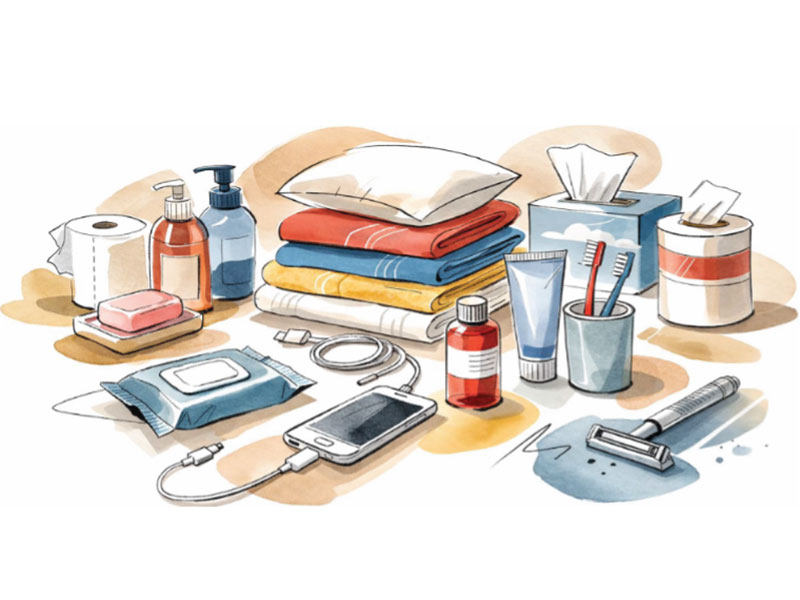
Administrative requirements
A certificate from the receiving charity must be provided to any donor business in which the charity commits to donating the goods to persons in need or using them for its own charitable purposes.There is no prescriptive form for this, and businesses can therefore draft their own required certificates to ensure they have the information they need. As a minimum, such a certificate should include details of the charity’s legal name, address and charity number and information about the nature and value of the goods.
As long as the business relies in good faith on such a certificate, it will not be liable if the charity fails to comply with relevant requirements. Evidence will also be needed that the products have been delivered to the charity.
Businesses should therefore keep:
- • Detailed records of cost of purchase/manufacture of donated items
- • Certificates from the receiving charities
- • Evidence of delivery e.g. a delivery note
Social Impact
This change should encourage charitable giving, reduction of waste and the re-use of surplus goods. It is a significant step in the development of a more circular economy. And even more importantly, so many families are living in poverty and there is such a need for basic goods – charities will be able to achieve so much more.For further information, see a factsheet from the CBI here and government guidance here.
If you would like to find out more about this change, please contact donate@themultibank.co.uk.